01 — Overview
Making Space for Disability
in museums.
We help museums, galleries, and cultural institutions design experiences that work better for everybody, across visitors, workforce, and storytelling. Disabled-led, human-centered, and built for sustainable change.
people globally have a disability
of purchasing decisions influenced
of Disabled adults visit museums
prefer brands that include them
Cultural & creative customers



Chapter 02Beyond Compliance
‘Compliant’ isn’t the same as ‘welcoming’.
ADA compliance sets a floor. Most museums hit the minimum and move on, but only 11% of Disabled adults visit museums or galleries, compared with 21% of the general population. That gap isn’t inevitable. It’s the result of spaces that technically meet the requirements but were never really designed with Disabled visitors in mind.
More than 1 in 6 adults globally has a disability, and they don’t make decisions about where to go alone. They come with families, friends, and communities, and they talk. When a museum works for them, they come back and they bring people. When it doesn’t, they stop trying, and that reputation spreads just as fast.
And the audience is wider than it looks. Accessibility built for blind, low-vision, Deaf, and hard-of-hearing visitors quietly serves non-English speakers too. Captions on an exhibition video give a Deaf visitor access to the content, and also let a Spanish-speaking parent read along at their own pace. Audio description, plain-language labels, and clear wayfinding work the same way: one investment, many more people who feel like the museum was built with them in mind.
The museums closing that gap are reaching an audience that has largely given up on cultural institutions, in a market where almost no one else is competing for it.
More than 1 in 6 adults globally have a disability.
World Health Organization
Disabled people influence over half of all purchasing decisions globally.
Return on Disability
of consumers prefer brands that actively include and represent Disabled people.
American Marketing Association
Brand preference is the strongest predictor of repeat visits, memberships, donations, and gala attendance.
Accessibility is the origin of innovation
Chapter 03How We Partner
Four pillars. One institution.
Designed to work together so progress compounds across visitors, workforce, and brand.
— 01
Training & talent access
Disabled-led training and talent sourcing to build inclusive teams across hiring, frontline service, and leadership.
- → Role-specific training (Inclusive Hiring for HR, Supporting Disabled Guests for frontline staff)
- → Live, Disabled-led workshops and keynotes
- → Self-paced learning library for staff at scale
- → Talent sourcing from a 50K+ network of Disabled professionals
— 02
Physical space & experience
On-site audits and inclusive design consultation across galleries, queues, sensory spaces, wayfinding, and more.
- → Pan-Disabled, intersectional on-site audits
- → Inclusive design across galleries, queues, and sensory spaces
- → Wayfinding, signage, and access map review
- → Capital-plan and expansion-phase consultation
— 03
Digital accessibility
WCAG 2.2 AAA audits and engineer-to-engineer remediation across websites, ticketing, and exhibit UX.
- → WCAG 2.2 AAA audits of web, ticketing, and exhibit UX
- → Disabled user testing with real assistive technology
- → Engineer-to-engineer remediation support
- → Integrations with live audio description (Be My Eyes, Meta Glasses)
— 04
Marketing & brand
Disability-inclusive comms, authentic representation, and storytelling that earns trust with Disabled audiences.
- → Inclusive language and image guidance
- → Authentic representation across campaigns and editorial
- → Storytelling strategy with Disabled creatives
- → Brand reputation positioning around access leadership
Chapter 04What It Looks Like
What accessibility beyond compliance actually looks like.
A working catalog from museum engagements, practical moves you can borrow, adapt, or commission, organized by the visitors they serve.
- — 01
Deaf-first media
Short signed and captioned intros produced proactively for each exhibition, built into launch, not bolted on after.
Deaf & Hard of Hearing - — 02
On-demand ASL
Reducing ASL booking notice from 2+ weeks to on-demand options across daily visitor service.
Deaf & Hard of Hearing - — 03
Vibrotactile immersive experiences
So Deaf visitors can experience sound-based art through their bodies, not just visually.
Deaf & Hard of Hearing - — 04
Elevators and ramps as art
Accessible routes redesigned to feel intentional, part of the visitor experience, not a back-of-house workaround.
Physical & Spatial - — 05
Sensory kits, free to use
Ear defenders, fidgets, and visual guides available at the door, also for sale in the gift shop for visitors to take home.
Sensory & Cognitive - — 06
Sensory-friendly hours
Quieter galleries, lower lighting, and adjusted programming so visitors can experience the museum on their own terms.
Sensory & Cognitive - — 07
Live audio description
Live audio description with Be My Eyes and Meta Glasses for blind and low-vision visitors across the galleries.
Blind & Low Vision - — 08
12-language audio-described wall texts
A companion web page with customizable text size, contrast, playback speed, transcript, and captions.
Blind & Low Vision - — 09
Inclusive ticketing language
Lets visitors self-identify access needs without disclosure, quietly raising visitor confidence before they arrive.
Ticketing & Communication - — 10
Access Map
A clear, plain-language map of the museum visitors can plan from before they ever walk through the door.
Ticketing & Communication - — 11
Innovation Council
A standing advisory group of Disabled community members so the work continues after the consultants leave the room.
Systemic - — 12
Access built into the capital plan
Accessibility designed in at the planning stage of expansions, not retrofitted after construction.
Systemic
Chapter 05Case Study: The Broad
The Broad, Los Angeles.
A museum experience designed to be truly accessible and inclusive for all visitors, reflecting The Broad’s commitment to access, innovation, and community engagement.
Project overview
The Broad partnered with Making Space on a multi-year engagement covering its existing downtown Los Angeles building, its digital experience, and the design of its planned expansion, making accessibility a core part of how the museum is run, not a parallel track.
The challenge
ADA compliance was already in place. The Broad wanted to move past compliance into a visitor experience Disabled audiences would actually choose, return to, and recommend, and to embed access into the capital plan for the expansion before construction began.
The approach
Phase 1: Audit & discovery
On-site pan-Disabled audit, digital accessibility audit, expansion review, and focus groups with Disabled visitors and community members.
Phase 2: Co-design & training
Role-specific training (Inclusive Hiring for HR, Supporting Disabled Guests for frontline staff), Innovation Council formation, and inclusive brand and comms guidance.
Phase 3: Implementation & embedding
Live audio description with Be My Eyes and Meta Glasses, haptic experiences, sensory kits, 12-language audio-described wall texts, and accessibility built into expansion plans.
Objective
Enhance accessibility across The Broad’s existing spaces and future expansion plans while maintaining the integrity of its artistic vision and visitor experience.
What we did
- → In-person training and role-specific courses (Inclusive Hiring for HR; Supporting Disabled Guests for frontline staff)
- → Comprehensive on-site accessibility audit + Expansion Review and Inclusive Design Consultation
- → Focus groups with Disabled visitors and community members
- → Digital accessibility audit and collaboration with Disabled engineers on fixes
- → Formation of the Innovation Council
- → Inclusive brand and communications guidance
- → Implementation of live audio description with Be My Eyes and Meta Glasses
- → Introduced haptic experiences for Deaf and hard-of-hearing guests, translating sound and atmosphere into vibration so the work lands physically, not just visually
- → Reimagined the gift shop for sensory-friendly hours and introduced sensory kits (ear defenders, fidgets, visual guides), free to use, also available to purchase
- → Produced an audio-described version of every wall text in 12 languages, hosted on a companion web page with customizable accessibility features (text size, contrast, playback speed, transcript, captions)
- → Designated on-floor Accessibility Specialists with advanced training
~10%96%
Staff confidence supporting Disabled guests, pre- vs. post-training
Highlighted impact
Accessibility & Inclusion
0%Staff confidence post-training (from ~10%)
Reach & Engagement
0Languages of audio-described wall texts produced
Reach & Engagement
↑Higher repeat-visit rate among Disabled guests + the people they bring
Mission & Impact
First-everInnovation Council formed with Disabled community members
Outcomes
- ✓ Improved visitor experience for Disabled audiences, their friends, and families
- ✓ Higher visitor return rate, Disabled guests and the people they bring with them are coming back, and coming back more often (reach & engagement)
- ✓ Growth in non-English-speaking visitor traffic and deeper engagement in conversations about the art (reach & engagement)
- ✓ Designated on-floor Accessibility Specialists with advanced training (accessibility & inclusion)
- ✓ Created an Access Map of the museum (accessibility & inclusion)
- ✓ Inclusive language in ticketing lets visitors self-identify needs without disclosure (accessibility & inclusion)
- ✓ Informed the design of The Broad’s future expansion with accessibility at the forefront, access built in at the capital-planning stage, not retrofitted (financial sustainability)
- ✓ Elevators and ramps redesigned as art experiences, accessible routes that feel intentional (mission & impact)
Chapter 06Other Case Studies
Impactful outcomes across festivals, broadcast & live experiences.
Selected work beyond museums, rooted in lived experience and informed by our Accessibility Maturity Model and the Social Model of Disability.
— 01
Film & Festivals
BFI London Film Festival Expanded
Objective
Elevate the accessibility of one of the world's premier film festivals along their new arm around AR, XR & VR.
The challenge
Ensure venues, programs, and talent access were inclusive across a multi-day, multi-location experience, including formats and venues where best practice for Deaf, Disabled, and Neurodivergent audiences barely exists yet.
What we did
- → Pan-Disabled site audits across screening, red carpet, and exhibit venues
- → Created inclusive comms guidance for marketing and public programs
- → Advised on Sign Language, captioning, and sensory-friendly programming integration
- → Advisory on accessible design of immersive AR/XR/VR experiences
Highlighted impact
Accessibility & Inclusion
1st
Major festival to apply pan-Disabled audits across AR/XR/VR programming
Reach & Engagement
↑
Lift in Disabled audience, creative, and press engagement
Outcomes
- ✓ Set a new accessibility benchmark for festival venues and immersive programming
- ✓ Stronger engagement from Disabled audiences, creatives, and press
— 02
Advertising · Festivals
Cannes Lions
Objective
Elevate the accessibility of one of the world's premier creative festivals.
The challenge
Embed accessibility into brand storytelling and experience design during Cannes Lions.
What we did
- → Conducted pan-Disabled site audits
- → Sourced and supported local Sign Language Interpreters, captioning services, and sensory-friendly programming integration
- → Designed physical accessibility interventions across the venue
- → Identified and implemented assistive technologies to enhance experiences for Disabled guests (e.g., wayfinding, real-time captioning, sound modulation)
Outcomes
- ✓ Increased attendance and positive feedback from Disabled guests and creatives
- ✓ Set new standards for venue access that got replicated at other events
- ✓ Informed long-term planning for future venue renovations
— 03
Broadcast · Awards
Television Academy
Objective
Embed accessibility and Disabled-led practice into one of the entertainment industry's most prominent annual broadcast moments.
The challenge
Make the event experience and broadcast inclusive across talent, audience, and crew, in a tentpole live-television environment with limited room for retrofits.
What we did
- → Accessibility consultation across event experience and broadcast
- → Advised on inclusive talent engagement, audience access, and on-air representation
- → Provided guidance to production and comms teams on inclusive language and authentic representation
— 04
Live Experiences
Monopoly Lifesize
Objective
Guide the organisation on how to make a new puzzle/escape-room experience and restaurant accessible for pan-Disabled clients.
The challenge
Working with a prebuilt venue and games.
What we did
- → Delivered practical, scenario-based Disability Confidence training so staff could proactively support pan-Disabled customers across physical, sensory, and cognitive access needs
- → Conducted pan-Disabled site audits
- → Helped redevelop some of the puzzle games to either be more accessible or have adaptive accessible elements
- → Made staff feel more confident around their accessibility offering as a whole when it came to game elements
Outcomes
- ✓ Post-implementation surveys showed a measurable increase in customer satisfaction among Deaf, Disabled, and Neurodivergent guests
- ✓ A much improved experience for Deaf, Disabled and Neurodivergent customers
— 05
Broadcast
NBC Paris Olympics & Paralympics
Objective
Increase representation and accessibility within Olympic and Paralympic coverage.
The challenge
Ensure inclusive hiring and accessible on-site and on-air practices across a massive operation.
What we did
- → Designed and delivered comprehensive Disability & Accessibility training for producers, hiring managers, on-air talent, and crew, equipping teams with practical tools to embed inclusive hiring, accessible production practices, and authentic representation across a global broadcast
- → Audited venue access, live broadcast settings, and production processes
- → Co-designed training and onboarding for hiring Disabled talent
- → Supported internal comms and HR teams to sustain inclusive practices
Highlighted impact
Accessibility & Inclusion
+97%
Increase in confidence of producers, hiring managers, and team members after training
Reach & Engagement
Record
Most Disabled professionals ever hired on an Olympic broadcast
+ more available on request
- Salesforce
- Blue Origin
- Red Bull
- Sesame Street
- ANGEL VR
- Champions (Film)
- NETFLIX
Chapter 07Our Approach
Accessibility is a framework, not an outcome.
Our solutions are rooted in collaboration, flexibility, and the lived experience of Disabled people. We build frameworks that embed long-term, systemic change, and recognise that designing with inclusive and diverse lenses uncovers entirely new ways of problem-solving for cultural institutions.
We collaborate and co-design a fairer future together.
- — 01
Disability Justice as our baseline
We work from the Social Model and operate under Disability Justice, recognising Disabled people as the foremost experts in their own experiences and access needs. We design with the intersectional reality that disability can be permanent, intermittent, or temporary, and that no two Disabled visitors are alike.
- — 02
Lived experience as expertise
We position Disabled people as equal, paid partners. Every audit, focus group, and design sprint is led by people who have direct lived experience of the barriers we’re solving. Our research is non-extractive, community-led, and compensated, drawn from a growing network of 50K+ Disabled professionals.
- — 03
Co-design over consultation
Co-design is participatory by design, rooted in power-sharing and equitable exchange. We don’t merely consult Disabled communities at the end of a project; we collaborate from the brief forward, translating insight from clients, partners, visitors, and the Disabled community into solutions that are robust, sustainable, and pragmatic.
- — 04
Beyond universal and inclusive design
Universal and Inclusive Design are useful starting points, but the search for one perfect solution often over-emphasises function over form, and can create new barriers for some while solving for others. We design multiple pathways, flexible, multi-modal, and equitable, so visitors have agency and control. Accessibility is a framework, not an outcome.
- — 05
Disability is not a monolith
We push back on the phrase ‘fully accessible’. Much like fashion, one size does not fit all. Our solutions are deliberately designed to be adaptable so that visitors, staff, and artists can shape products, services, and policies around their specific access needs, including those who are multiply-marginalised.
- — 06
Moving beyond compliance
Legislation like the ADA, the EAA 2025, WCAG, or Part M is a floor, not a ceiling. Compliance harmonises requirements but rarely produces experiences that Disabled visitors actually want to return to. We treat standards as the starting line, then build toward innovation, market expansion, and cultural relevance.
- — 07
Creating legacy memory
Our strategies are built to outlive any single project, leadership team, or budget cycle. Training drives behaviour change, recommendations are embedded into operations, and an Innovation Council holds the work in place, so when key stakeholders leave or get promoted, accessibility keeps moving forward.
- — 08
Start where you are
Meaningful change is about progress, not perfection. Whether you’re opening a new wing, responding to legislation, hiring your first Disabled curator, or simply unsure where to begin, we meet institutions where they are on the maturity model and build a credible path forward from there.
Progress, not perfection.
Chapter 08Methodology
Five-stage methodology and maturity model.
We benchmark where you are today across five stages, from Informal awareness to Optimal integration, and map a credible path forward up the accessibility maturity spectrum.
Maturity model
- — 01
Discovery, benchmarking & audits
Stakeholder interviews, document review, pan-Disabled audits, and focus groups that locate you on the maturity model and surface what visitors and community need built.
- — 02
Co-design — strategy & prioritization
A written report with prioritized, costed recommendations, separating quick wins from capital-cycle work, and a live presentation to leadership.
- — 03
Implementation roadmap
Engineer-to-engineer for digital remediation, staff training, and an Innovation Council that keeps accountability alive after the consultants leave the room.
- — 04
Knowledge transfer & legacy
Embed accessibility into ongoing operations, including the Innovation Council, access to self-serve refresher training, and a documented case study so the work outlasts any single project.
Chapter 09Outcomes
What success looks like.
Measurable change across cultural institutions, experiences, broadcast, and live events, drawn from prior engagements.
The Broad
Increase in staff confidence supporting Disabled guests, from 10% pre-training to 96% post-training.
NBC Paris Olympics
Increase in producer and crew confidence around inclusive hiring and accessibility.
Virgin Media
Views on a marketing campaign with authentic disability representation.
Blue Origin
Wheelchair user in space, plus accessibility workshop for the airline and space industries.
Chapter 10Team
The experts behind Making Space.
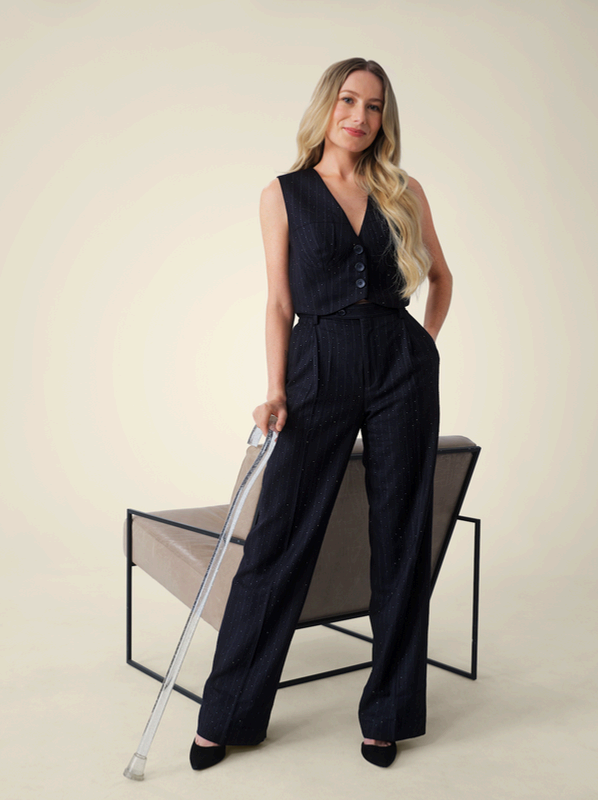
- — 01
Keely Cat-Wells
CEO & Founder
Disability rights advocate and founder of Making Space. Recognized by TIME, Forbes, L’Oréal Paris, and the Obama Foundation. Previously founded C Talent (acquired). Forbes contributor and Presidential Leadership Scholar.
- — 02
Dan Edge
Head Disability & Access Consultant
Award-winning multidisciplinary consultant and access specialist. Works across events, media, and technology, bringing lived experience, cross-sector insight, and advocacy to projects that drive systems-level change.
- — 03
Pool of SMEs
Subject Matter Experts
A trusted network of pan-Disabled, intersectional subcontractors across disciplines. Lived experience, cultural competency, and professional expertise to scale impact, tailor solutions, and ensure authentic representation at every level.
Chapter 11Contact
Let’s make space together.
Whether you’re mid-expansion, planning a new exhibition, or rebuilding access from the ground up, tell us where you are and we’ll meet you there.